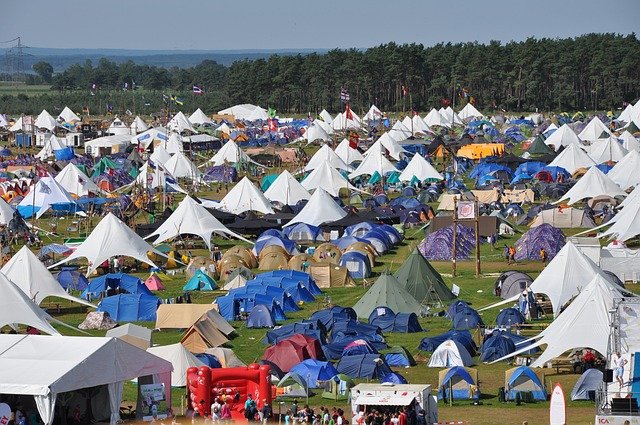
Understanding Tent Camping
Tent camping offers a unique way to immerse yourself in the great outdoors while embracing a minimalist lifestyle. It typically involves setting up a shelter made of fabric and supported by poles, which protects campers from the elements. When embarking on a tent camping adventure, several essential gear items must be considered to ensure a successful experience. These items range from the tent itself to sleeping arrangements and cooking supplies.
First and foremost, selecting the right type of tent is crucial. There are various styles available, including dome tents, cabin tents, and backpacking tents, each suited for different camping needs. For instance, backpacking tents are lightweight and easy to carry, making them ideal for hiking trips, while cabin tents offer more space and comfort for family camping trips.
Sleeping arrangements are another important aspect of tent camping. Campers should invest in high-quality sleeping bags, sleeping pads, and pillows to enhance comfort during their outdoor stay. Additionally, accessories such as camp cots and portable blankets can further elevate the sleeping experience.
Cooking supplies play a significant role in tent camping, as campers often rely on portable cooking equipment. Essential items may include portable stoves, fuel, cooking utensils, and food storage containers. It’s advisable to plan meals ahead of time, ensuring that one knows exactly what to bring camping to minimize waste and maximize enjoyment.
Weather conditions can significantly impact tent camping experiences. Therefore, it’s essential to prepare for potential rain, wind, and temperature fluctuations. Investing in a waterproof tent, rainfly, and sturdy stakes can help keep campers dry and safe. Additionally, packing versatile clothing layers allows for adaptability in changing weather conditions.
Tent camping encourages individuals to embrace nature while facing the challenges that come with exposure to the elements. The experience connects campers with their surroundings, providing a sense of adventure and personal growth. Through careful preparation and an understanding of tent camping essentials, individuals can fully enjoy the camping lifestyle.
Exploring RV Camping
RV camping, or recreational vehicle camping, offers a distinctive experience that stands apart from traditional tent camping. The primary difference lies in the gear and setup requirements associated with each type. RV camping involves specialized vehicles designed to accommodate various amenities, making it a convenient choice for many outdoor enthusiasts. Unlike tent camping, where the gear is limited to portable shelters and lightweight equipment, RV users benefit from a comprehensive setup that often includes a kitchen, bathroom, and comfortable sleeping arrangements.
One of the most significant advantages of RV camping is the comfort it provides. RVs are equipped with essential conveniences that enhance the camping experience, allowing individuals and families to enjoy nature without sacrificing the comforts of home. Additionally, the setup process is much simpler; once at the campsite, users only need to level the vehicle and hook up to utilities, which can be accomplished in a matter of minutes. This ease of setup contrasts sharply with the time-consuming process often associated with tent camping.
Weather conditions can greatly impact the camping experience, and RVs offer a significant advantage in this regard. With the ability to control the climate inside, RV campers can escape uncomfortable weather elements, such as rain or cold temperatures, ensuring their comfort throughout their stay. This feature makes RV camping an attractive option for those who wish to camp year-round or in regions with unpredictable weather conditions.
However, potential campers should also consider the costs associated with RV ownership or rentals. The initial investment can be substantial, and ongoing expenses for maintenance, fuel, and campground fees may impact the overall budget. Campground accessibility is another factor to consider, as some sites cater specifically to RVs while others may be better suited for tent camping. Ultimately, RV camping presents an enticing balance of adventure and comfort, appealing to those seeking a diverse outdoor experience.
Comparison of Pros and Cons
When weighing the differences between tent camping and RV camping, it is crucial to consider various aspects that may influence your overall experience in the great outdoors. First and foremost, the cost associated with each type of camping can be a significant determining factor. Tent camping generally requires a lower initial investment, as a basic setup may simply include a tent, sleeping bags, and cooking equipment. In contrast, RV camping typically involves higher upfront costs due to the purchase or rental of an RV, as well as associated expenses such as insurance, maintenance, and fuel.
Comfort is another critical element. RV camping usually offers more comforts, including air conditioning, heating, and the ability to cook in a fully equipped kitchen. Meanwhile, tent camping often entails a more rustic experience, where campers might sacrifice comfort for immersion in nature. However, many enthusiasts appreciate the simplicity and connection to the natural environment that comes with tent camping.
Ease of setup and mobility also play vital roles in this comparison. Setting up a tent can often be more time-consuming than simply parking an RV. However, tents can provide greater access to remote camping spots due to their smaller size. On the other hand, RV camping allows for more extensive travel, making it easier to cover more ground while still enjoying the adventure of camping.
Lastly, the social aspect of camping should not be overlooked. Tent camping often fosters a sense of community, with opportunities for campers to interact more freely. In contrast, RV camping can offer a more private experience, appealing to those who prefer solitude. Ultimately, the decision between tent camping and RV camping hinges on individual preferences, circumstances, and the type of outdoor experience sought.
Choosing the Right Camping Style for You
When deciding between tent camping and RV camping, several factors must be taken into account to ensure the best experience for you and your companions. The size of your family or group is a primary consideration; larger families may benefit from the spacious interiors of RVs, while smaller groups might find tent camping to be a charming and more intimate experience. Budget constraints are also significant in this decision-making process. Tent camping generally requires a lower initial investment, as the cost of tents and camping gear tends to be more affordable than purchasing or renting an RV.
Another vital factor is the frequency of your camping trips. If you’re an occasional camper, tent camping could be a practical choice, allowing for a lightweight and easily transportable setup. However, if you plan to camp frequently or embark on longer journeys, the comforts of RV camping, including a bed, kitchen, and bathroom facilities, could enhance your overall experience and make traveling more enjoyable.
Your preferred level of comfort is yet another aspect to consider. Tent camping usually requires a more rugged approach, potentially sacrificing some conveniences unless equipped with upgraded gear. RV camping, on the other hand, offers many home-like amenities that cater to those who prioritize comfort during their outings.
For novice campers, starting with tent camping may provide a more immersive experience in nature, helping to build essential outdoor skills. Consider joining a camping group or participating in workshops to learn the basics. Once you gain confidence, you may want to try RV camping to see how it fits with your style. Embracing both types of camping allows for a broader understanding and appreciation of all the ways one can enjoy the great outdoors.